Posts

Honoured by the Honourable Finance Minister of Nepal
I was honoured to be recognized on the occasion of International Customs Day 2026 by the Honourable Finance Minister of Nepal, in the presence of the Finance Secretary, secretaries from various ministries, senior Customs officials, representatives from the private sector, and members of the media.
Read post → Jan
2026
The Future of Data-Driven Vigilance in Customs
International Customs Day is celebrated each year on 26 January and recognizes the critical functions of Customs administrations, such as societal and economic security, trade facilitation, and economic prosperity. Every year, the World Customs Organization (WCO) puts out its International Customs Day theme to underscore the most recent challenges and opportunities facing Customs. The WCO theme for 2025 is "Customs Delivering on its Commitment to Efficiency, Security, and Prosperity". This theme indicates the commitment to the development and modernization of Customs processes around the globe.
 Jan
2026
Second WCO Accreditation Achieved: Technical and Operational Advisor in Data Analytics
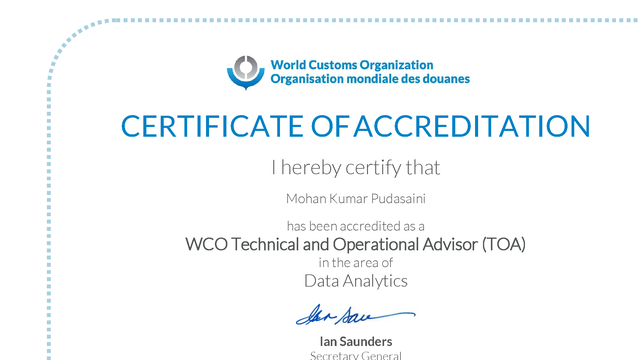
I am honoured to share that I have recently been accredited by the World Customs Organization (WCO) as a Technical and Operational Advisor in the area of Data Analytics. This marks my second accreditation from the WCO, following my earlier recognition as an expert in Risk Management.
 Nov
2025
Featured in the WCO ROCB Asia/Pacific Newsletter – Issue 90
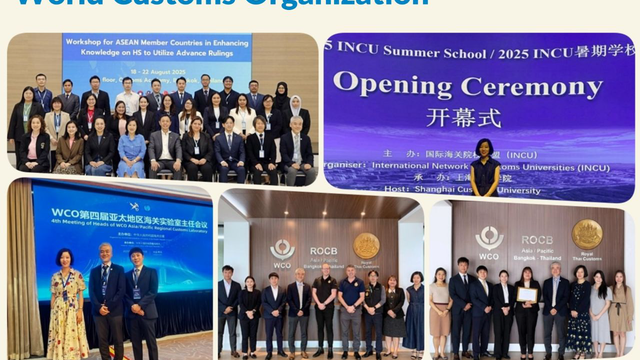
I am delighted to share that my article from the WCO BACUDA Scholarship Programme has been featured in the World Customs Organization (WCO) ROCB AP (Regional Office for Capacity Building for the Asia/Pacific) Newsletter – Issue 90.
 Jul
2025
My Journey to Becoming a WCO Accredited Risk Management Expert
Achieving WCO accreditation was a dream I had since the day I first heard about it after joining Nepal Customs. In 2025, that dream finally came true.
 Jan
2025
Celebrating International Customs Day with Nepal's Path to Modernization
International Customs Day is celebrated each year on 26 January and recognizes the critical functions of Customs administrations, such as societal and economic security, trade facilitation, and economic prosperity. Every year, the World Customs Organization (WCO) puts out its International Customs Day theme to underscore the most recent challenges and opportunities facing Customs. The WCO theme for 2025 is "Customs Delivering on its Commitment to Efficiency, Security, and Prosperity". This theme indicates the commitment to the development and modernization of Customs processes around the globe.
 Dec
2024
Reflecting on 2024 and Looking Ahead to 2025
2024 has been a transformative year, marked by significant achievements alongside my core responsibilities at Nepal Customs. I contributed to global Customs initiatives through the WCO and led workshops in Nepal to build a data-driven culture. Highlights include participating in the BACUDA Scholarship Programme, serving as an AI Specialist at the Auditor General's Office, and training professionals on AI and data analytics. In 2025, I aim to further enhance AI and risk management in Customs, support WCO initiatives, and advocate for ethical AI practices.
 Nov
2024
Building Smarter Customs: A Data Analytics and AI Perspective
Global trade has shown remarkable resilience, particularly in its V-shaped recovery following the disruptions caused by COVID-19, driven by technological advancements and data-driven decision-making. Modern Customs authorities face challenges managing complex data streams from various sources, such as import/export declarations and passenger information. Leveraging advanced analytics, AI, and technologies like data lakes enhances efficiency, security, and compliance. Innovations like AI-powered HS classification and fraud detection models are transforming Customs operations. Moving forward, robust data strategies, technology integration, and workforce development will be essential for Customs administrations to navigate the complexities of post-pandemic international trade.
 Oct
2024
OSINT: Revolutionizing Customs Intelligence in the Digital Age
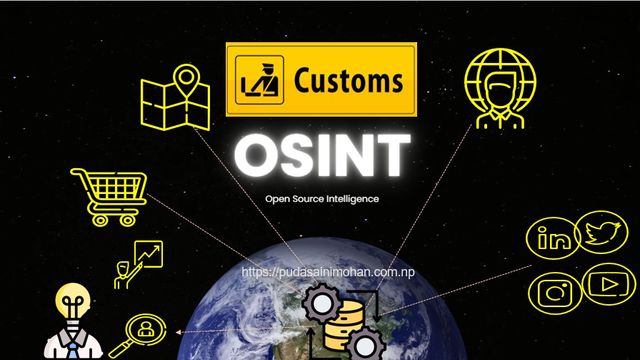
Open Source Intelligence (OSINT) is revolutionizing Customs operations by utilizing publicly available data from digital platforms, public records, and media to enhance risk assessment, fraud detection, and smuggling prevention. As technology advances, Customs authorities can leverage tools like data scraping, social media monitoring, and geospatial mapping to gain real-time insights and identify suspicious trade activities. However, successful implementation requires adherence to legal and ethical standards, along with continuous evaluation of data sources and integration with existing systems to ensure secure and effective global trade.
 Jan
2024
Culmination of the BACUDA Journey: A Celebration of Transformative Learning and Collective Achievement
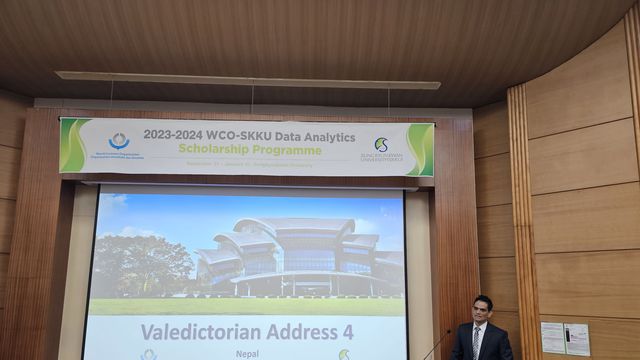
The culmination of my BAnd of CUstoms Data Analytics (BACUDA) scholarship journey today was a momentous occasion, marked by an exquisitely organized closing ceremony anchored by Professor Mitra Ghergherehchi. The esteemed presence of President Ji Beom Yoo of Sungkyunkwan University (SKKU), Director Chulhun Lee of Korea Customs Service (KCS), and Professor Jong Seo Chai of SKKU further elevated the celebration.
 Sep
2023
Expanding Horizons: My Journey of Learning with the WCO BACUDA Scholarship Programme
I’m excited to update you on my ongoing journey through the WCO BACUDA Scholarship Programme, which commenced on September 4, 2023. As we delve deeper into this programme, I’ve been gaining valuable insights and knowledge, and I can’t wait to share some highlights with you.
 Feb
2023
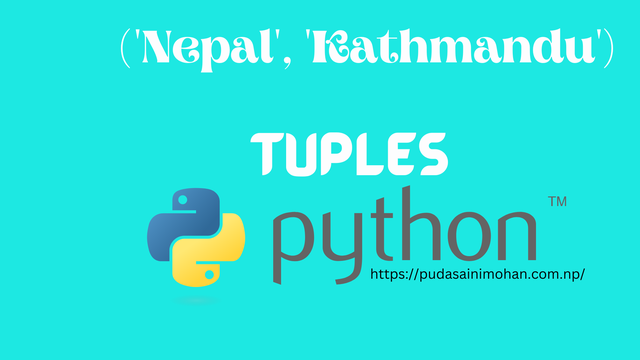
An Introduction to Tuples in Python
This article introduces tuples in Python, a data structure that is similar to lists but immutable. It covers constructing tuples, indexing and slicing them, and basic tuple methods. The concept of immutability is discussed, highlighting its fundamental feature. Tuples are useful for storing related values that should not be modified and are faster and more compact than lists.
 Feb
2023
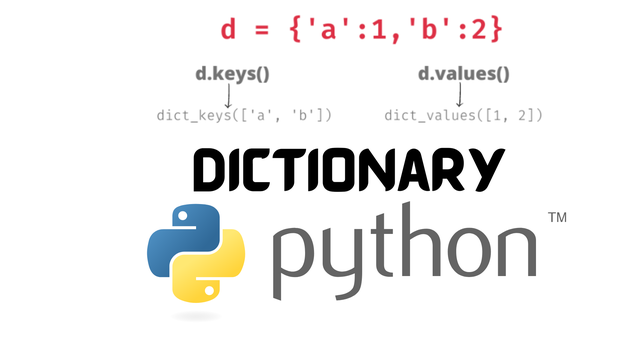
Python Dictionaries: Key-Value Pair Mapping
Python dictionaries are powerful and flexible data structures that store data in key-value pairs. Dictionaries are mutable, preserve insertion order (Python 3.7+), and have unique keys. This article explains how to construct, access, and modify dictionaries, as well as how to create nested dictionaries and use some of the basic dictionary methods.
 Feb
2023
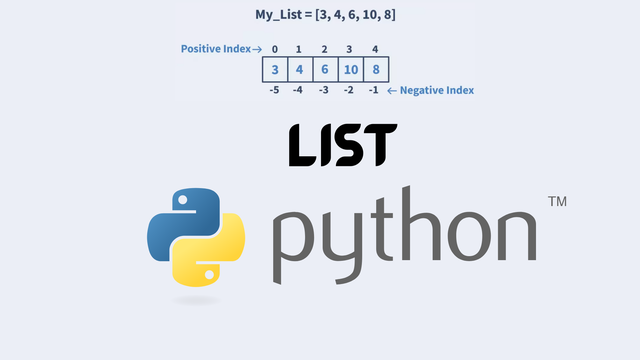
Working with Lists in Python
A comprehensive overview of working with lists in Python, including concepts like defining lists, accessing elements through indexing and slicing, concatenating lists, using basic list methods like append, insert, remove, pop, sort, and more.
 Feb
2023
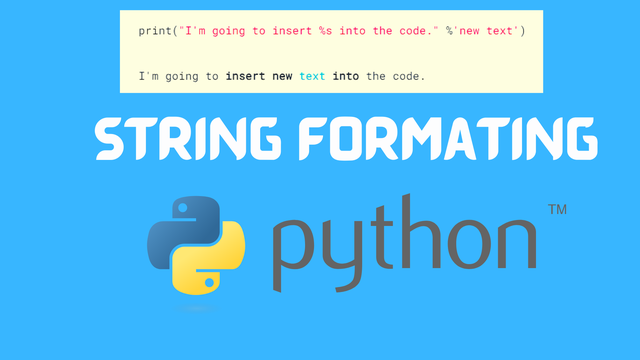
String Formatting in Python
Comprehensive overview of the three methods for string formatting in Python - Placeholder Method using % character, .format() Method, and f-strings. The article explores each of these methods with examples, and provides a detailed explanation of the differences between the %s and %r placeholders, as well as techniques for controlling the display of floating-point numbers in string formatting.
 Feb
2023
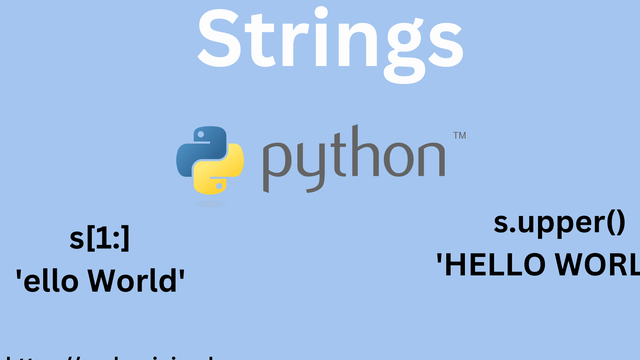
An Introduction to Strings in Python
Basics of strings in Python, including how to create strings, use indexing and slicing to access individual characters, and understand the immutability property of strings
 Feb
2023
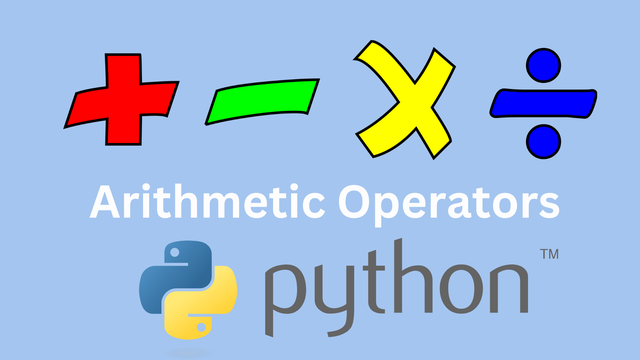
Numbers and Arithmetic Operators in Python
Featuring an Analysis of Types of Numbers, Basic Arithmetic Procedures, the Distinction between Classic and Floor Division, and Object Allocation.
 Feb
2023
Working in Jupyter Notebook: Shortcut Keys
The effective use of Jupyter Notebook enhances coding efficiency and the article highlights various shortcut keys.
 Feb
2023
Get Started with Jupyter Notebook
This guide provides a step-by-step process to help you download, install and set up Jupyter Notebook on your computer.
 Feb
2023
Get Started with Python: An Installation Guide
This guide provides a step-by-step process to help you download, install and set up Python on your computer.
 Feb
2023
Importance of Python in Data Science: An Overview of its Role and Advantages
The Advantages of Python in Data Science: Easy to Learn, Versatile, High Demand, Large Community, and Equipped with Libraries for Data Analysis, Visualization, Machine Learning, and Deep Learning.
 Feb
2023
Welcome to my website
Welcome to my personal website, where I share knowledge on data analytics, R, Python, SQL and their applications in Customs and international trade.
No posts match your search.